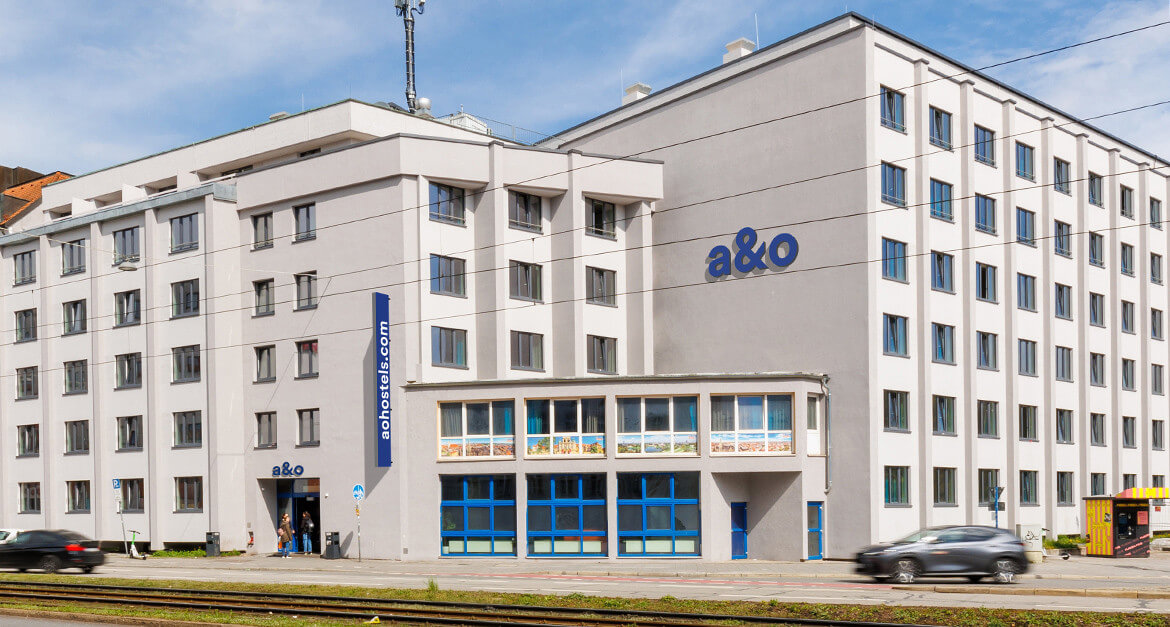
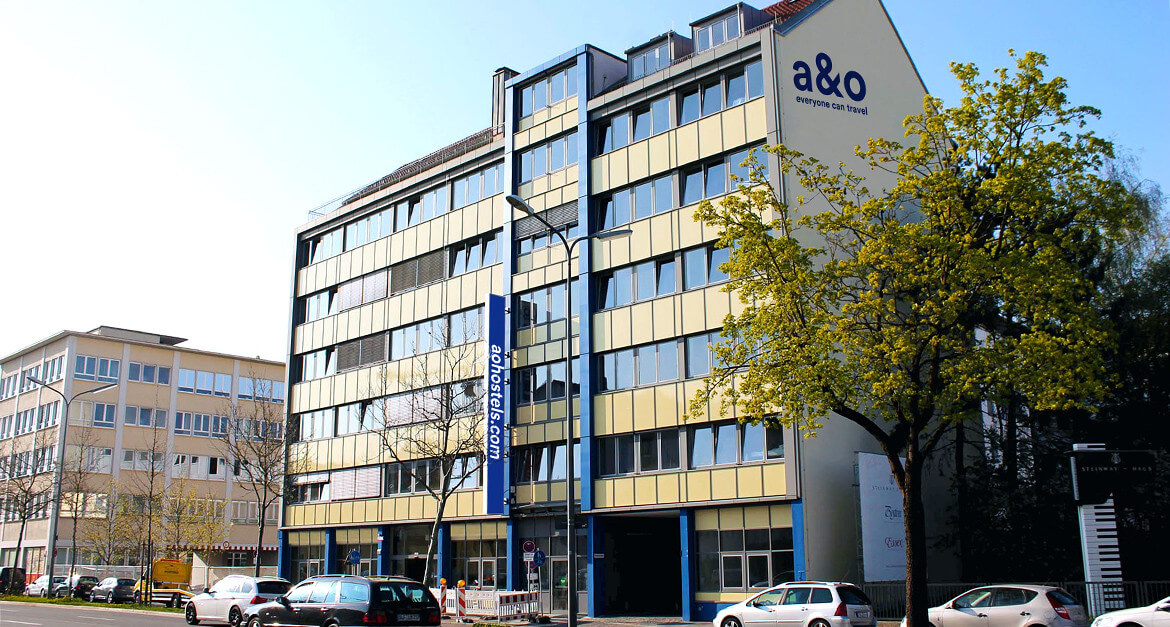
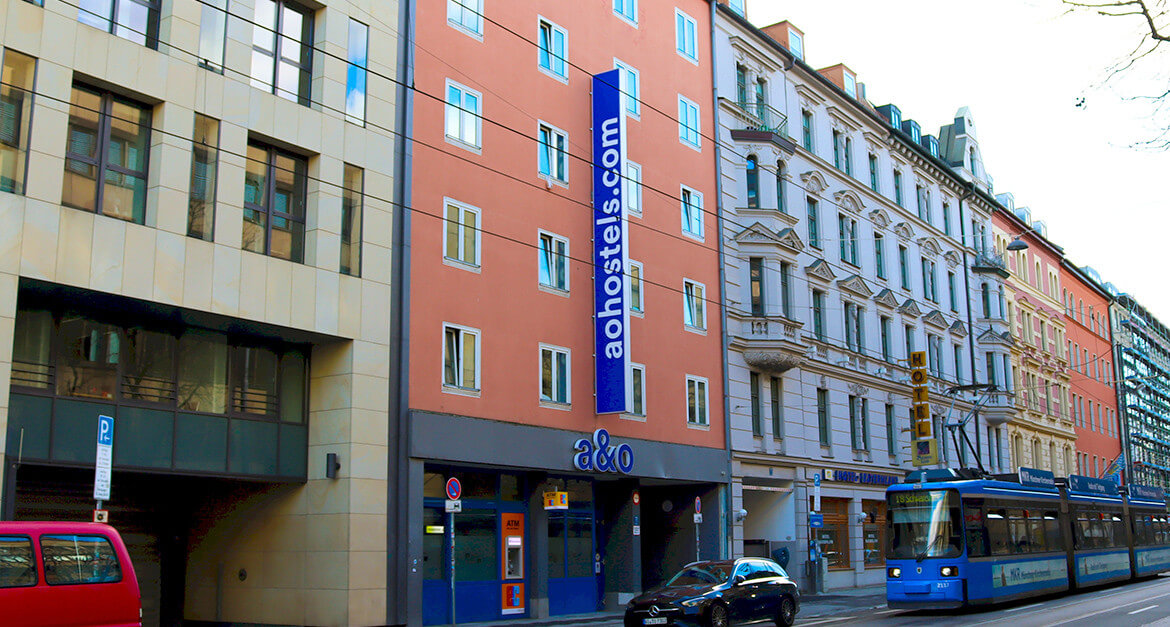
In our 3 a&o hostels in Munich, you will find affordable and central accommodation – without sacrificing comfort! Modern rooms, well-equipped guest kitchens, our 24/7 hotel bar, laundry facilities and free Wi-Fi are all part of our affordable offer. Book your stay in Munich city centre with a&o with best price guarantee!
A trip to Munich offers many great sights and experiences for visitors to the city: from white water rafting on the Isar to the well-known Munich Oktoberfest and a relaxed stroll through the city – Munich impresses with a colourful range of culture and leisure activities. The Bavarian capital has plenty of cultural highlights such as concerts, festivals and exhibitions to offer, so there's never a dull moment. Of course, sights such as the Feldherrnhalle, the Frauenkirche and the New Town Hall on Marienplatz are not to be missed. For relaxation, Munich has various parks and gardens, including the English Garden in the city centre, which is famous beyond Munich's borders.
Enjoy the advantages of our a&o hostels in Munich!
- Central location with best price guarantee
- free WLAN
- 24-hour service & snack bar
- Guest kitchen & washing machine
- Group discount from 10 guests
- 1 free bed for groups of 21 or more guests
- Dogs and other pets welcome
Experience Munich with the affordable hostels from a&o!
The Bavarian capital of Munich occupies a historically and enduringly important position as the centre of government in Bavaria. Magnificent buildings from various phases of architecture bear witness to influential rulers such as Ludwig I and take visitors to the city on a journey through time: The baroque Nymphenburg Palace and park, the Old Stock Exchange, the Bavarian National Museum, the Glyptothek and the New Town Hall are just a few examples of Munich's imposing buildings. But there is not only a lot to see for those interested in architecture – art enthusiasts will also get their money's worth, for example with a visit to the Pinakothek der Moderne, the Museum Fünf Kontinente or the Haus der Kunst in the magnificent Prinzregentenstraße.
In addition, landmarks and meeting places such as the Hofbräuhaus, the Allianz Arena, the Olympic grounds with park, stadium, the BMW Museum or the Oktoberfest are further points of contact for good entertainment. Munich's nightlife also has plenty of variety to offer: Breweries and beer gardens, jazz clubs, cosy restaurants and stylish bars provide a convivial end to the day. Book your room with a&o and benefit from a central location and the best price guarantee!
Our a&o hostels in Munich: Your central accommodation at a favourable price
The a&o Hostels Munich Central Station, Laim and Hackerbrücke are located in the centre of Munich. All three hostels offer you a high level of comfort in modern rooms at a low price. The rooms all have their own bathroom with shower and WC. In the lobby of our hostels, you can relax at the bar or in cosy seating areas after a busy day and make new plans. Our friendly staff at the 24-hour reception will be happy to answer any questions you may have. If required, you can obtain a free city map and helpful tips for your stay in Munich from reception. By bus, train or car, you can be in the Old Town in no time at all, where you can see many impressive landmarks of the Bavarian capital with your own eyes.
a&o hostels & cheap hotels in Munich: Ideal for backpackers
Backpackers will find the ideal accommodation with our a&o hostels in Munich: the central location and favourable price allow short distances and more financial leeway for local activities. With laundry and luggage rooms, a guest kitchen, safe and various other services, individual travellers, school classes, families and business people will find comfortable accommodation for a stay in Munich. Benefit from the location of the a&o hostels in Munich's city centre and set off on a discovery tour!
Affordable accommodation at hotel level
If you decide to stay in one of our a&o hotels, you save money, but not on comfort! At a&o you spend your holiday in affordable hotels that offer you everything you need when travelling. In the morning we offer a varied breakfast buffet, use free high-speed internet or simply choose card payment as your preferred method of payment. In addition to comfortably furnished rooms in our a&o hotels, we also provide toiletries such as shower gel and hair shampoo, as well as laundry facilities for your clothes. At a&o you get everything you need for your stay in our a&o Hotels Munich Central Station, Hackerbrücke and Laim – with a top location and the a&o best price guarantee!
a&o Hostel: Single room or shared room?
Our hostels offer the right room category for all travellers. From quiet single rooms to cheap shared rooms, a&o offers the right room category for everyone. Travelling always means meeting new people: staying in a shared room is a great way to make new contacts, maybe even friends, with whom you can explore the city together. Our large multi-bed rooms are ideal for families; the rooms with two connecting rooms and comfortable beds are particularly suitable for larger families. For backpackers or business travellers who prefer single rooms in our room categories, we also have affordable rates that offer a comfortable standard. Regardless of whether you opt for a single, double or multi-bed room, you can use the guest kitchen, lounges, free Wi-Fi, table football and pool table and much more.
a&o hostels: as affordable as a youth hostel
Travelling doesn't always have to be expensive. Choose an a&o hostel in Munich's city centre and you'll be right in the middle of the action! With a room with us, you save money that you can invest in great experiences. You won't be short of comfort with us! With a room in one of our hostels, you'll spend as little as you would in a budget hostel and get international flair, comfort and all the information and services you need on your trip. Book your affordable room with a&o if you're heading to Munich and organise your holiday as individually and flexibly as you like – at the a&o best price, of course!
More about our categories






 stay affordable, sleep sustainable
 World’s largest Hostel Chain - With 30,000 Beds