





 stay affordable, sleep sustainable
 World’s largest Hostel Chain - With 30,000 Beds

Prague at Easter: It’s not the city that’s crowded – just certain hours
Friday, 4:40 pm. The station fills up, suitcases rolling across the floor as many travellers arrive at once. At accommodations, queues form at reception. As soon as bags are dropped off, the same thought follows: "We still want to see something of the city."
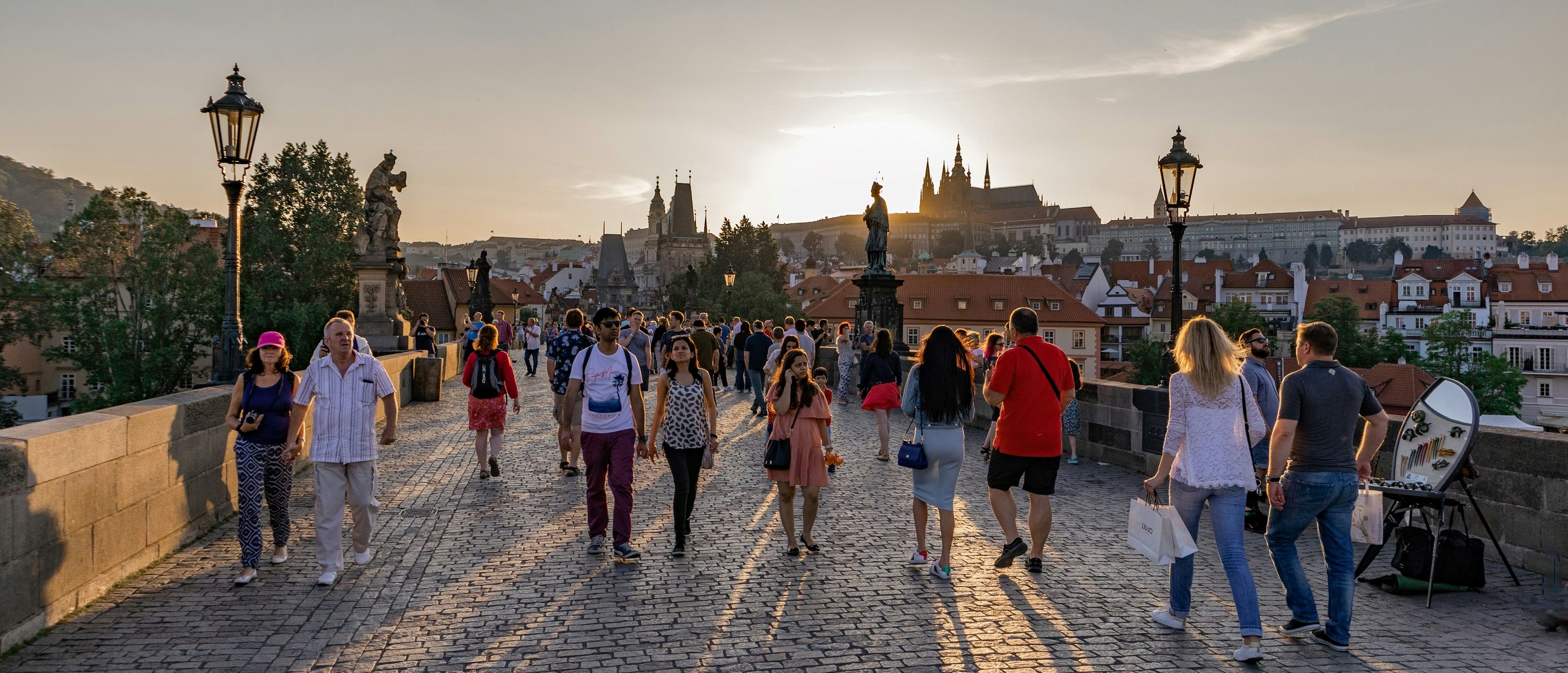
The next day, around 11:30 am, a similar scene unfolds. People queue outside cafés, the streets feel tight, and on Charles Bridge you can barely move forward. It’s easy to jump to the conclusion: Prague at Easter is completely overcrowded.
But that impression is misleading. Prague at Easter isn’t constantly busy. Instead, there are specific times of day when large numbers of people gather in the same places. In between, there are always periods when the city feels surprisingly calm. If you understand these patterns, your trip becomes far more enjoyable.
Why Prague at Easter works differently from a normal weekend
Easter is not just any long weekend. The key difference is that it is celebrated across much of Europe at the same time. As a result, many people travel simultaneously, often with very similar plans. They arrive on the same days, eat at similar times and visit the same key sights.
This synchronisation causes crowds to build up at particular times of day. The result is that certain hours feel extremely busy, even though the overall number of visitors is simply concentrated into shorter periods. If you happen to be out during those peaks, the city can quickly feel overwhelming – even though it’s only temporary.
The typical visitor waves in Prague at Easter
These recurring patterns can be observed every year and are key to planning your time well.
The first major wave begins on Friday afternoon. Many people arrive after work or school, reaching Prague at similar times. Stations, public transport and accommodation are particularly busy. At the same time, many visitors head straight out to explore, which adds pressure to the main sights.
Late the following morning, the second wave builds. Many travellers prefer a slow start to the day and go out for a late breakfast or brunch. This leads to queues outside cafés and pushes the rest of the day further back.
The third wave hits around midday and early afternoon. This is when most people head to the must-see attractions. Charles Bridge, the Old Town and the area around Prague Castle are at their busiest. It’s during these hours that the city can feel too small for the number of visitors.
In the evening, things begin to spread out again, but another smaller peak appears. Many people go out for dinner at the same time or begin their evening plans. Restaurants fill up quickly, some streets become lively, while others are unexpectedly quiet.
Getting the timing right: how to experience Prague at Easter more comfortably
The real difference lies not in what you do, but when you do it. A helpful approach is to structure your day deliberately. Popular outdoor sights are best visited early in the morning or later in the evening. At these times, the atmosphere is calmer and you have more space to enjoy the surroundings.
Midday, on the other hand, is ideal for slower activities. Taking a longer lunch break, sitting in a café or visiting an indoor attraction helps you avoid the busiest hours without losing time.
The order of your plans also matters. It makes sense to visit places that get crowded later as early as possible. Afterwards, you can move on to activities that are less affected by crowds, such as a relaxed meal or time in a quieter neighbourhood.
Flexibility is equally important. If you notice that a place is particularly busy, it’s rarely worth pushing through the crowd. It’s often better to step away, take a break and return later.
Two days in Prague at Easter – a more relaxed way to explore
A well-planned day starts early. Visiting Charles Bridge in the morning allows you to experience it in a much calmer setting. From there, heading towards Prague Castle is a good next step while the pathways are still manageable.
Around midday, it pays to slow down deliberately. A longer lunch or a break in a café not only helps you recharge but also allows you to avoid the busiest part of the day.
In the afternoon, as the Old Town fills up, it’s worth moving to more open areas. Parks and viewpoints such as Letná, Petřín or Vyšehrad offer more space and a more relaxed atmosphere.
In the evening, the city gradually becomes calmer again. A walk through the Old Town or along the river can be far more enjoyable than earlier in the day. When it comes to dinner, good timing helps – either eat earlier or later to avoid the busiest period.
If you arrive in the afternoon, there’s no need to rush. After checking in or dropping off your luggage, taking a short break can make a big difference. Instead of heading straight into the busiest areas, start with a quieter location that still gives you a great first impression. Later in the evening, you can explore the main sights in a more relaxed setting.
Why a hostel is especially useful at Easter
At busy times like Easter, your choice of accommodation can make a real difference. A hostel allows you to arrive flexibly and store your luggage even before check-in. This makes it easier to plan your day without immediately heading into crowded areas. Shared spaces also give you somewhere to pause. Taking a short break, having a coffee or reviewing your plans helps you stay relaxed and avoid unnecessary stress. Food flexibility is another advantage. If restaurants are busy, you can adjust your plans, eat later or choose simpler alternatives without pressure.
FAQ: Prague at Easter
When is Prague busiest at Easter?
The main peaks occur on Friday afternoon, late morning, and during the afternoon. Evenings can also be busy around typical dinner times.
When are the main sights most relaxed?
Early in the morning and later in the evening are the best times to visit popular locations.
Is it worth getting up early?
Yes. Even starting an hour earlier can make a significant difference in avoiding crowds.
How can I avoid long waits for dinner?
Plan to eat outside the usual times or stay flexible. A small snack in between can help you avoid peak hours.
Prague at Easter follows a clear pattern
Prague at Easter is not constantly overcrowded. The city simply follows predictable daily patterns where many people move at the same time. If you understand these patterns and adjust your schedule accordingly, you can enjoy the main sights much more comfortably. It’s not about seeing less – it’s about planning smarter.
Plan your trip now
If you want to experience Prague at Easter in a relaxed way, good planning is key. Book your stay at the a&o hostel Praha Rhea and benefit from flexible arrival, practical shared spaces and a convenient base for exploring the city. Book your stay now at aohostels.com!
This might also interest you:


It’s Not Easter That Ruins Your Trip – It’s the Journey There
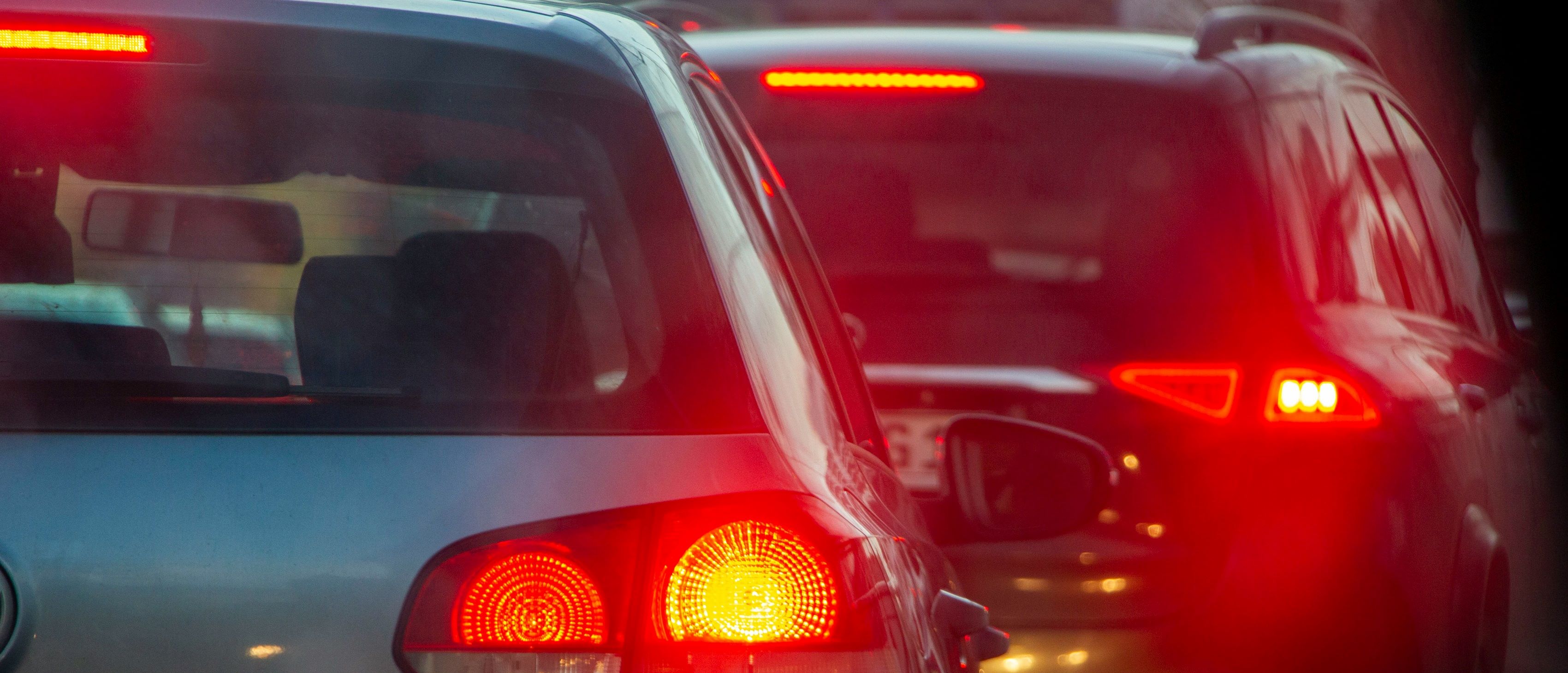
Easter traffic often means delays, reduced schedules and long queues on the road. When is Easter the busiest for travel – and how can you avoid traffic at Easter? Discover how to plan your Easter journey smartly so your trip starts stress-free.
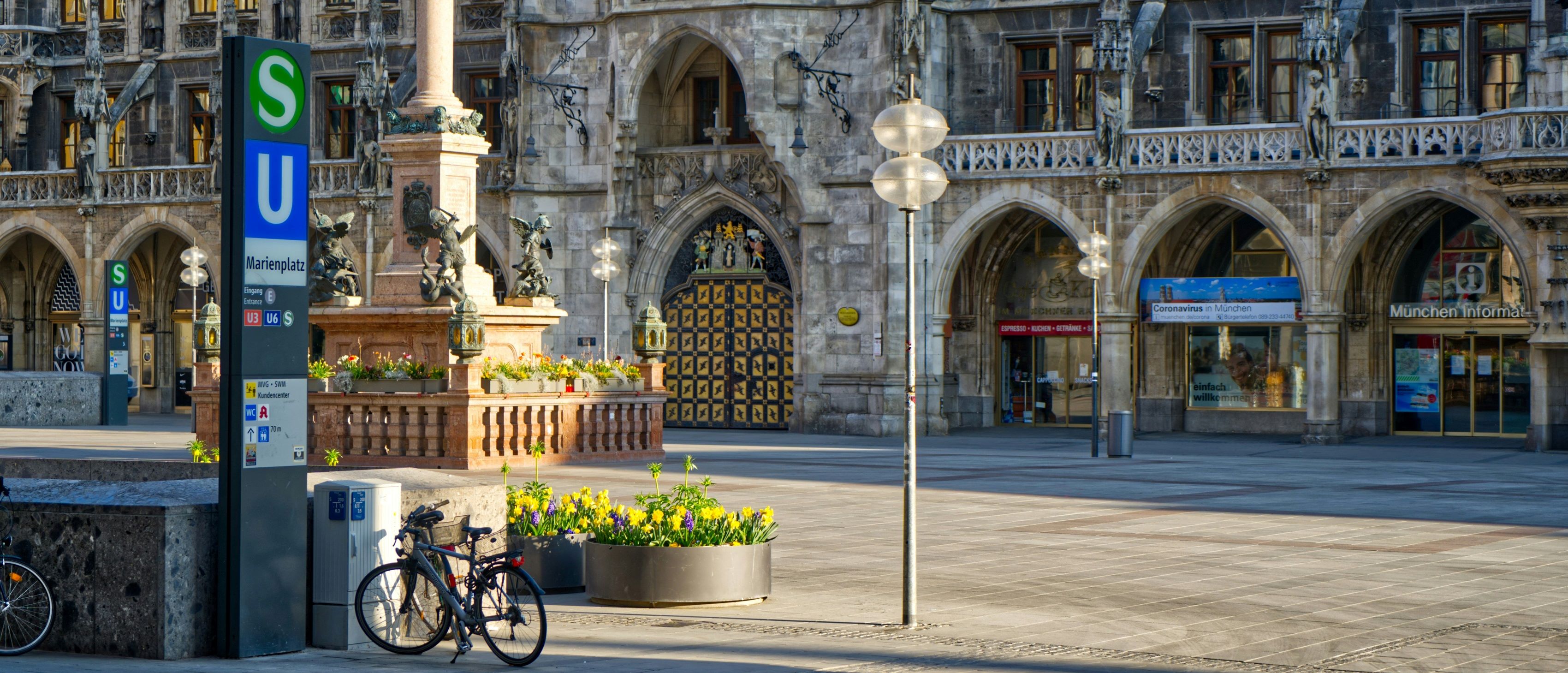
The "Everything Is Closed" Myth: Cities Are More Alive at Easter Than People Think
Many people think everything is closed in cities at Easter. Yet the atmosphere often becomes even more vibrant. What is open and what can you do during an Easter city break? Discover parks, cafés and neighbourhoods.