





 stay affordable, sleep sustainable
 World’s largest Hostel Chain - With 30,000 Beds


Hostel or Hotel on Public Holidays: Why Can Hotels Sometimes Feel Lonely?
The Loneliness Trap: Hostel or Hotel on Public Holidays
You arrive at your accommodation on a public holiday. The lobby is quiet. A few families are checking in, couples collect their room keys and disappear into the lift. Nobody is unfriendly – but nobody lingers either.
The next morning at breakfast you notice the same atmosphere. Small tables are scattered around the room, each occupied by a couple or a family. Conversations stay within each group. Everyone seems focused on their own plans for the day. You are not excluded. Yet there is still a strange feeling: you are surrounded by people, but somehow still on your own.
Public holidays make this feeling more noticeable. Easter, Christmas or long weekends are usually social occasions. People travel to see friends or family, share meals and spend time together. But if you are travelling alone or without a fixed group, one question suddenly becomes surprisingly important: hostel or hotel?
The hostel or hotel difference becomes particularly clear on public holidays. While hotels often prioritise privacy, hostels tend to create more opportunities for spontaneous interaction.
Why Hotels Feel Different on Public Holidays – Even When They’re Full
Many hotels are fully booked during holiday periods. Yet the atmosphere can still feel unexpectedly quiet. The reason lies less in occupancy and more in the structure of the guests. During the week, hotels often host business travellers who spend time in the lobby or hotel bar. On public holidays, the picture changes. Instead of individuals travelling for work, you see more families, couples and groups of friends.
These groups naturally form their own social circles. They have breakfast together, plan their day together and return to the hotel together in the evening. The hotel lobby rarely becomes a place where strangers meet. Instead, it remains a functional space: guests arrive, check in and then head straight to their rooms or out into the city.
Even shared rituals such as breakfast remain within these small groups. For solo travellers, this can feel surprisingly isolating – even when the hotel is full of people. Hotels are designed to be efficient, private and independent. Those qualities are exactly what many travellers appreciate. At the same time, they can make spontaneous connections less likely.
Hostel or Hotel: The Difference Becomes Clear in Everyday Moments
When considering hostel or hotel, the biggest difference often appears in how spaces are used. Many hostels include shared kitchens, lounges or communal areas that naturally bring travellers together. These spaces are not only functional; they are designed as meeting points.
Take the communal kitchen as an example. When several guests are cooking at the same time, conversations start naturally. Someone asks to borrow a utensil, another person comments on what’s cooking on the stove. Soon a simple exchange turns into a short conversation: where are you travelling from, how long are you staying, have you discovered anything interesting in the city yet?
These conversations rarely feel forced because the situation already provides a natural context. People are simply sharing a space. Especially on public holidays, these small exchanges can lead to spontaneous plans – perhaps a walk through the city, a visit to a pub or an informal games night in the hostel.
Lounge areas work in a similar way. Many travellers sit there with a laptop, a book or a coffee while planning their day. The atmosphere is open enough for conversations to start, yet relaxed enough that nobody feels pressure to participate.
Hostel or Hotel: The Real Difference
When people compare hostel or hotel, they often think first about price or comfort. In reality, the biggest difference is often the social dynamic.
Hotels are primarily designed around privacy. Each guest has their own room, their own schedule and their own plans. Meeting other travellers is possible, but it rarely happens by accident.
Hostels, on the other hand, tend to create more opportunities for casual interaction. Many travellers choose them precisely because they would like to meet people along the way.
That does not mean hostels are always loud or chaotic. Modern hostels offer different types of accommodation, allowing guests to shape their own experience. At a&o Hostels, for example, travellers can choose between dormitories, double rooms or private rooms. This flexibility means you do not necessarily have to choose between privacy and social contact. Instead, you can find a balance that suits your travel style.
How to Make the Most of a Hostel on Public Holidays
Many travellers assume they must choose between two extremes: total privacy in a hotel or a highly social environment in a hostel. In practice, the experience can be much more flexible.
If you enjoy meeting people but do not want a party atmosphere, a private room in a hostel can be a great option. You have your own space to relax, but you can still drop into the kitchen or lounge whenever you feel like being around others. During holiday periods, even a short visit to a communal area can lead to a conversation or a shared plan for the evening.
For solo travellers, a private or double room within a hostel often offers the best of both worlds. You have the same level of privacy you would expect in a hotel, yet you remain in a place where small social moments happen naturally – at breakfast, in the lobby or while preparing food.
Travellers who actively want a social experience may choose a dormitory. Sharing a room increases the chances of conversation, but you can still decide how much interaction you want. Sometimes it leads to a brief exchange; other times it results in exploring the city together.
Especially on public holidays, this can make a noticeable difference. While hotels may become unexpectedly quiet, hostels often maintain a sense of shared energy.
FAQ: Hostel or Hotel on Public Holidays
Why can hotels feel lonelier during public holidays?
Many guests travel with partners, families or groups of friends during holiday periods. These groups usually spend most of their time together, which naturally limits interaction with other guests.
Are hostels quieter on public holidays?
It depends on the destination. In some cities they may be slightly calmer than usual, but communal spaces typically remain active, making it easier to meet other travellers.
Hostel or hotel – which is better if you want both peace and social contact?
A private room in a hostel often provides a good balance. You have your own space while still having access to shared areas where conversations can happen naturally.
When is it easiest to start conversations in a hostel?
Common moments include cooking in shared kitchens, having breakfast, relaxing in lounge areas or joining spontaneous activities with other guests.
Hostel or Hotel Can Shape Your Travel Experience
During public holidays, accommodation can influence your travel experience more than you might expect.
Hotels offer structure, comfort and privacy – which is exactly what many travellers are looking for. However, this structure can sometimes make spontaneous connections less common.
Hostels tend to create more open spaces where conversations and shared plans can develop naturally. For solo travellers or those exploring a city without a fixed itinerary, this can make the experience feel more connected.
At a&o Hostels, travellers can choose the setup that suits them best – from dormitory beds to private double rooms. This flexibility makes it easier to combine social moments with personal space. In the end, travelling on public holidays does not have to feel isolating. Sometimes, the right accommodation can turn a quiet trip into a memorable experience filled with unexpected encounters.
This might also interest you:

It’s Not Easter That Ruins Your Trip – It’s the Journey There
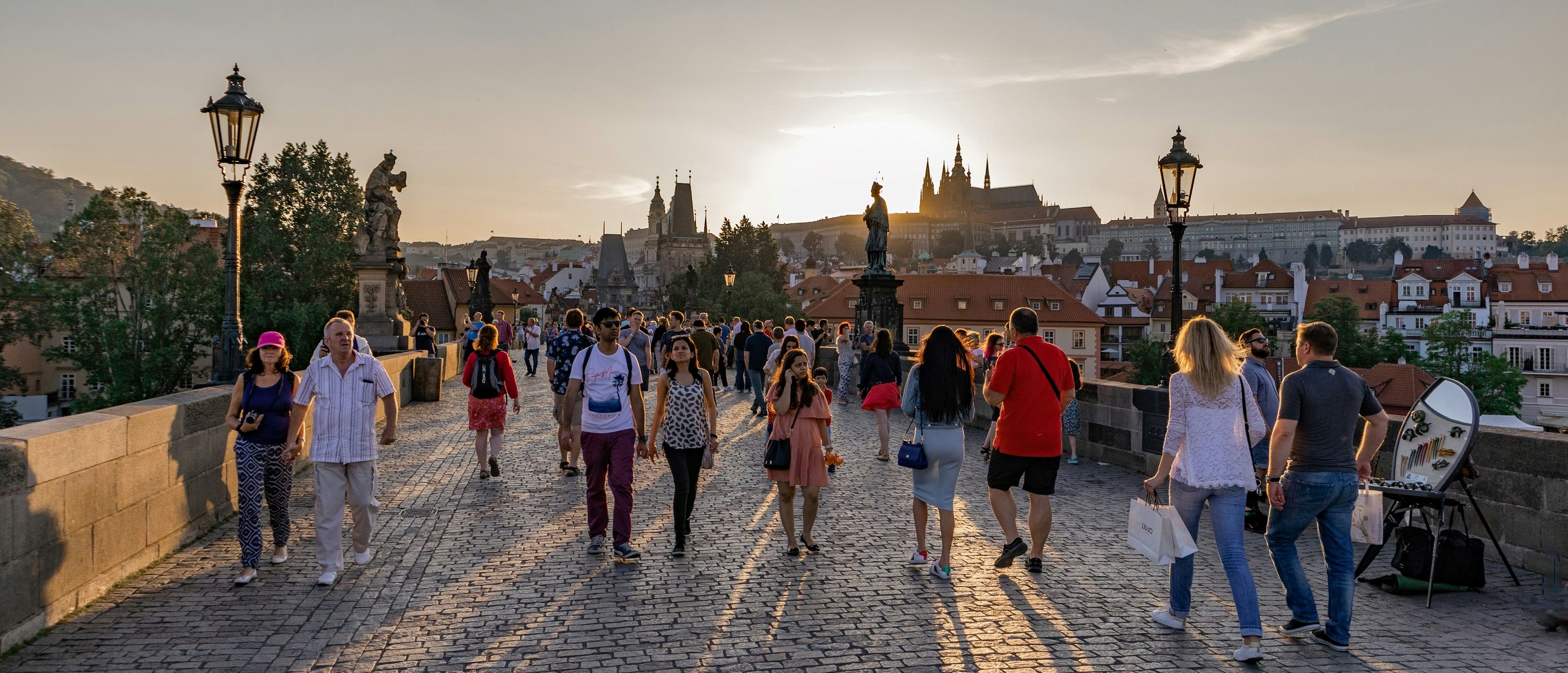
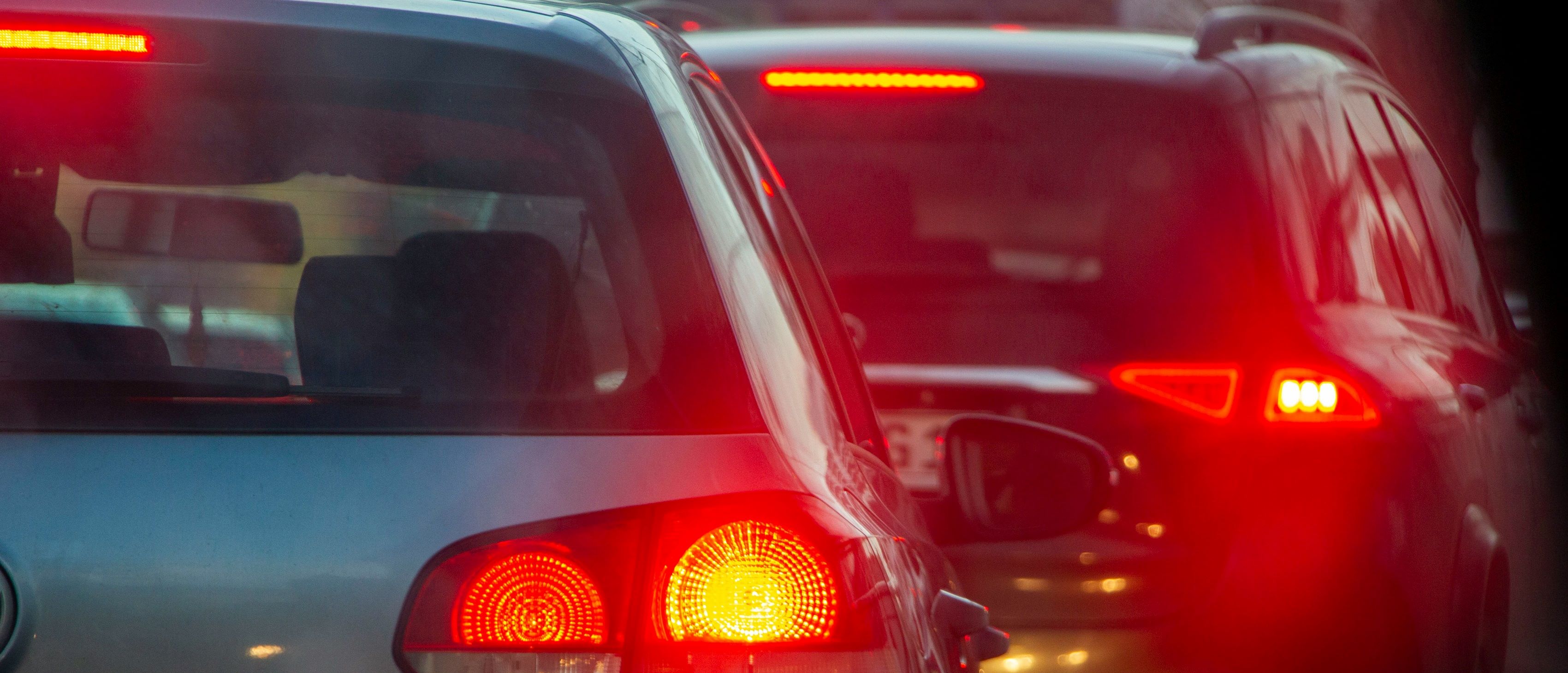
Easter traffic often means delays, reduced schedules and long queues on the road. When is Easter the busiest for travel – and how can you avoid traffic at Easter? Discover how to plan your Easter journey smartly so your trip starts stress-free.
The "Everything Is Closed" Myth: Cities Are More Alive at Easter Than People Think
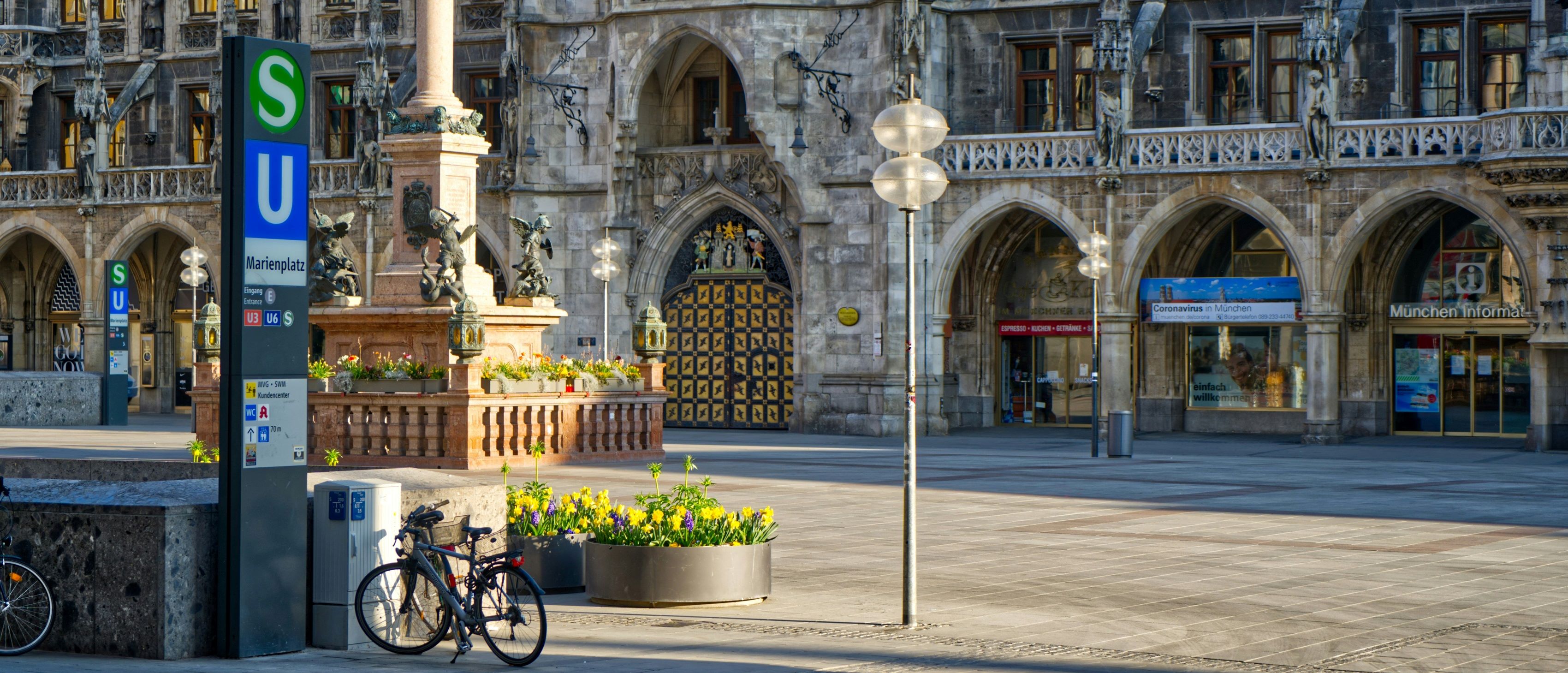
Many people think everything is closed in cities at Easter. Yet the atmosphere often becomes even more vibrant. What is open and what can you do during an Easter city break? Discover parks, cafés and neighbourhoods.