





 stay affordable, sleep sustainable
 World’s largest Hostel Chain - With 30,000 Beds

Expensive vs Smart: Why Your Easter Trip Can Cost Less Than the Family Meal
Home Isn’t Free – Even If It Feels That Way
Saturday morning before Easter. You’re just popping out to the shops. Just a few ingredients for the big meal, maybe something small for the children, flowers for the table. Nothing excessive.
An hour later, you’re standing at the checkout with a trolley that’s far fuller than planned. The better cut of meat “because it’s Easter”, a special vegetarian alternative, fresh herbs, an impressive dessert, chocolate for nieces and nephews, a little something for the hosts – and of course, “we need something for Grandma as well”. In between, a message on your phone: “Could you quickly pick up… on your way?”
In the end, Easter at home is lovely. Perhaps even truly special. But what we rarely admit to ourselves is this: it is anything but financially neutral. Not because family is “expensive”, but because bank holidays trigger something in us. We want it to feel special. And “special” almost always costs more than “ordinary”.
This is where the rethink begins. If Easter is going to require a budget anyway, why not consciously invest that budget in a family short break at Easter instead? Rather than spending a substantial amount on a single, perfectly staged day around the dining table, you could use a similar amount for two or three days away together – with a change of scenery, shared experiences and far less hosting pressure.
The Hidden Costs of Easter at Home
The challenge with Easter at home isn’t one dramatic bill. It’s the accumulation of small amounts that add up almost unnoticed.
The big meal is the most obvious factor. More people means larger quantities. A bank holiday means better quality. You’re more likely to choose the premium option, attempt a more elaborate recipe, add extra courses and offer a wider range of drinks. It’s meant to look and feel special.
Then there are the “small” Easter gifts. Something for your own children, something for nieces and nephews, perhaps for godchildren. A token of appreciation for the hosts. Flowers as a thank you. Individually, none of it seems excessive. Together, it becomes a noticeable expense.
There are also the additional journeys. Nipping out to collect something forgotten. Picking someone up. Dropping something off. Calling in somewhere “briefly”. Fuel, parking, time – all modest costs in isolation, but significant in total.
And finally, the last-minute purchases. Decorations, candles, baking supplies, special ingredients. Items you don’t strictly need, but want “to make it nice”. When stress levels rise, we often solve it with money: a ready-made dessert instead of baking, takeaway instead of cooking, spontaneous extras to ease the pressure.
Easter at home feels natural and expected. A cheap Easter short break sounds, at first glance, like an indulgence. In reality, it is often simply a different allocation of the same budget.
From Host Mode to Shared Experience
A traditional Easter at home almost automatically creates roles. One person organises, one cooks, one sets the table, one clears up. Even when everyone helps, someone usually carries the mental load.
A family holiday at Easter shifts that dynamic entirely. No one is the host. No one needs to perform. Everyone is away together. The atmosphere changes immediately.
The focus is no longer on whether the roast is perfect or the table looks impressive. It’s about having breakfast together, exploring a new city, discovering something unexpected and falling into bed tired but happy. The day gains a natural rhythm: breakfast, heading out, a break, an evening activity. Fewer discussions about what should happen next. More time simply being together.
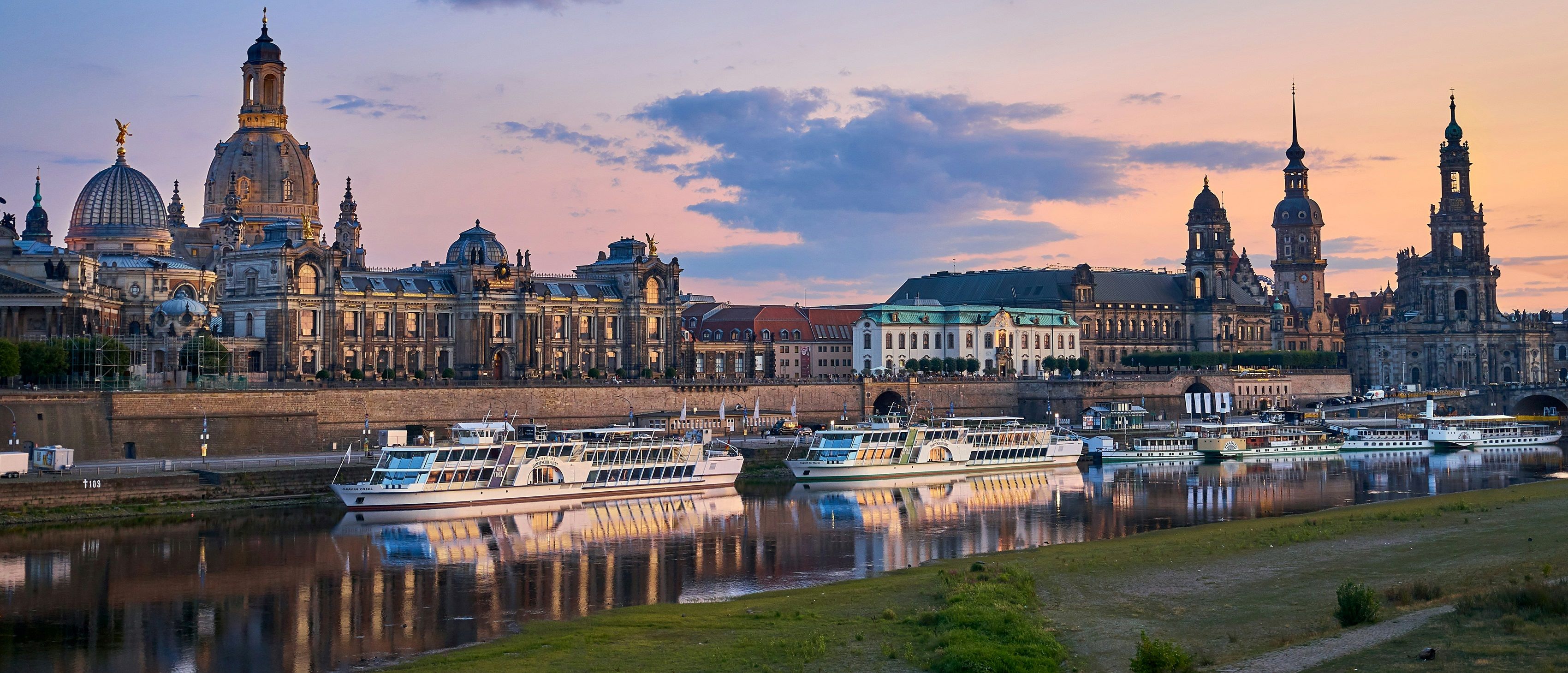
And honestly, many Easters at home blur into one another over the years. You remember that they were pleasant, but they merge in memory. A weekend away is different. A sunset along the Danube in Budapest, wandering through the old town in Prague, or a spring walk along the river in Dresden – those images tend to stay with you.
Yes, Easter Is Popular – But Hostels Offer Control
Easter is a sought-after travel period. Prices can rise and availability can tighten. That’s precisely why it helps to focus on what you can control.
Hostels offer flexibility that is particularly valuable for families. The point isn’t that a hostel is always cheaper than a hotel. The point is that you have more levers to adjust.
Private rooms in central locations – for example in Berlin, Hamburg or Vienna – often allow several people to stay together without booking multiple hotel rooms. That alone can make a significant difference.
The second major factor is food. If every breakfast is in a café and every dinner in a restaurant, costs rise quickly. If you choose at least partial self-catering, you retain flexibility. Breakfast at the hostel. A simple evening meal prepared yourselves. Selected restaurant visits in between. That’s how travelling cheap at Easter becomes a realistic approach rather than an empty promise.
Planning Smartly Instead of Cutting Corners
A family short break at Easter works best when it’s planned consciously – not as a strict savings exercise, but as a smart budget decision.
It can be enough to anchor two meals a day: a simple breakfast and an uncomplicated dinner. Fresh rolls, fruit, yoghurt and coffee in the morning. Pasta with sauce and salad or wraps with vegetables in the evening. It reduces pressure and avoids defaulting to expensive dining out.
It also helps to choose one paid highlight per day. A zoo visit, a museum, a boat trip or a child-friendly attraction. That single “anchor” shapes the day. Around it, you can fill the time with free activities: parks, playgrounds, markets, neighbourhood walks. In compact cities such as Nürnberg or Bremen, much is within walking distance, which saves both money and energy.
One area where you should not cut corners is sleep. If everyone is exhausted, the mood suffers quickly. Choosing the right room option is worth more than squeezing out the last possible saving.
Choosing the Right Type of City
The best Easter destination is not the one with the longest list of attractions, but the one that fits your family’s rhythm.
If you prefer something relaxed and manageable, places like Weimar or Salzburg offer culture, pleasant walks and short distances.
If you enjoy atmosphere in a compact setting, Florence or Edinburgh provide character and variety within a small area.
For a classic city break with a wide mix of indoor and outdoor activities, Munich or Cologne are strong options.
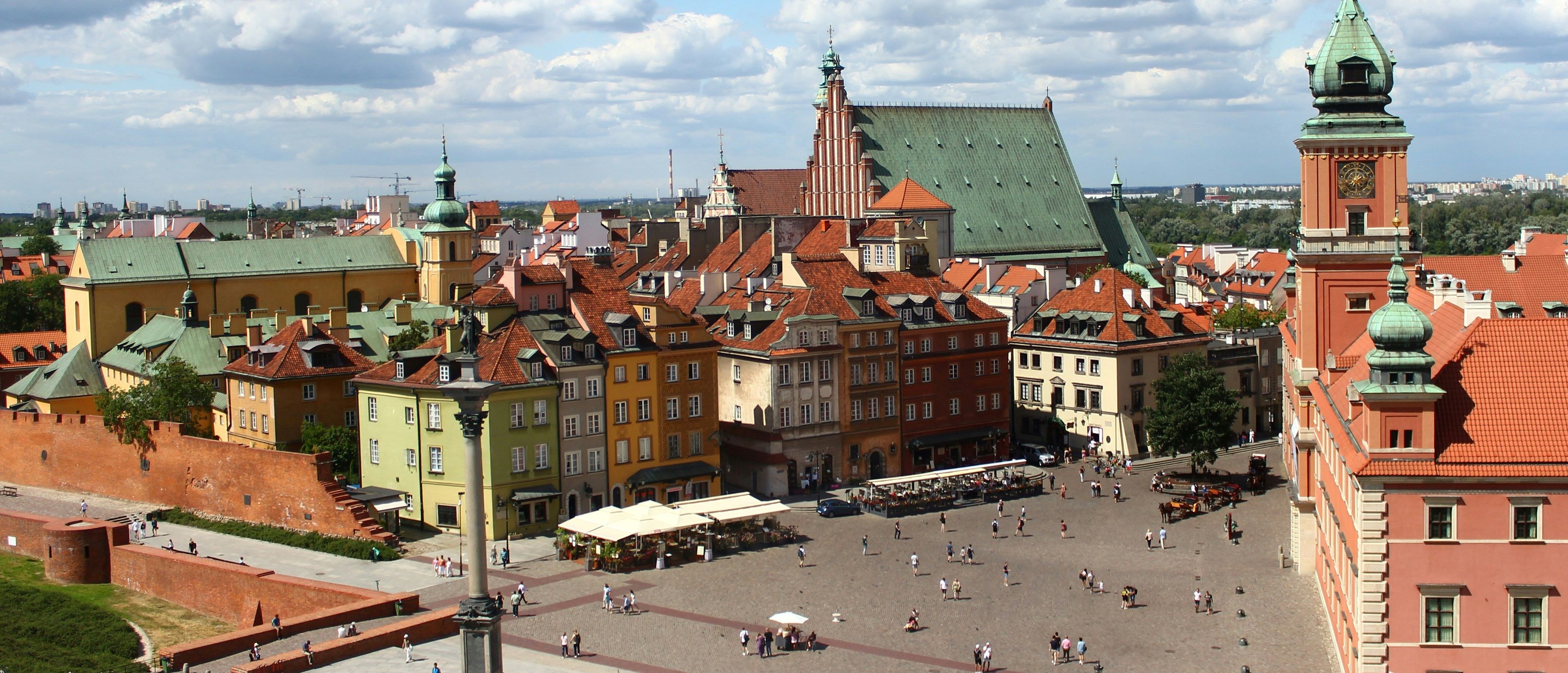
And if you’d like that feeling of being properly “away” without travelling too far, a short international break to Brussels, Copenhagen or Warsaw can create exactly that.
Calculate Honestly
The crucial step is to compare fairly. Not with optimistic assumptions, but with real numbers. What does the Easter meal truly cost? How much do you spend on gifts? How many additional purchases happen spontaneously? What is the indirect cost of stress?
Then compare that with two or three nights’ accommodation, thoughtfully planned meals and a few chosen activities. In many cases, the difference is far smaller than expected.
More Experience for the Same Budget
Easter is meaningful. But it doesn’t have to be a competition for the most impressive table or the most elaborate menu. If you are going to spend money anyway, decide what you want in return. One intense day in host mode – or several days of shared discovery? A perfect meal – or memories that last?
A cheap Easter short break is not about avoiding family traditions. It is about choosing shared time without the pressure of hosting. If you’d like to use your Easter budget more intentionally this year, explore the right a&o location for you, pick a city that suits your family and plan not perfectly – but wisely.
This might also interest you:



It’s Not Easter That Ruins Your Trip – It’s the Journey There
Easter traffic often means delays, reduced schedules and long queues on the road. When is Easter the busiest for travel – and how can you avoid traffic at Easter? Discover how to plan your Easter journey smartly so your trip starts stress-free.
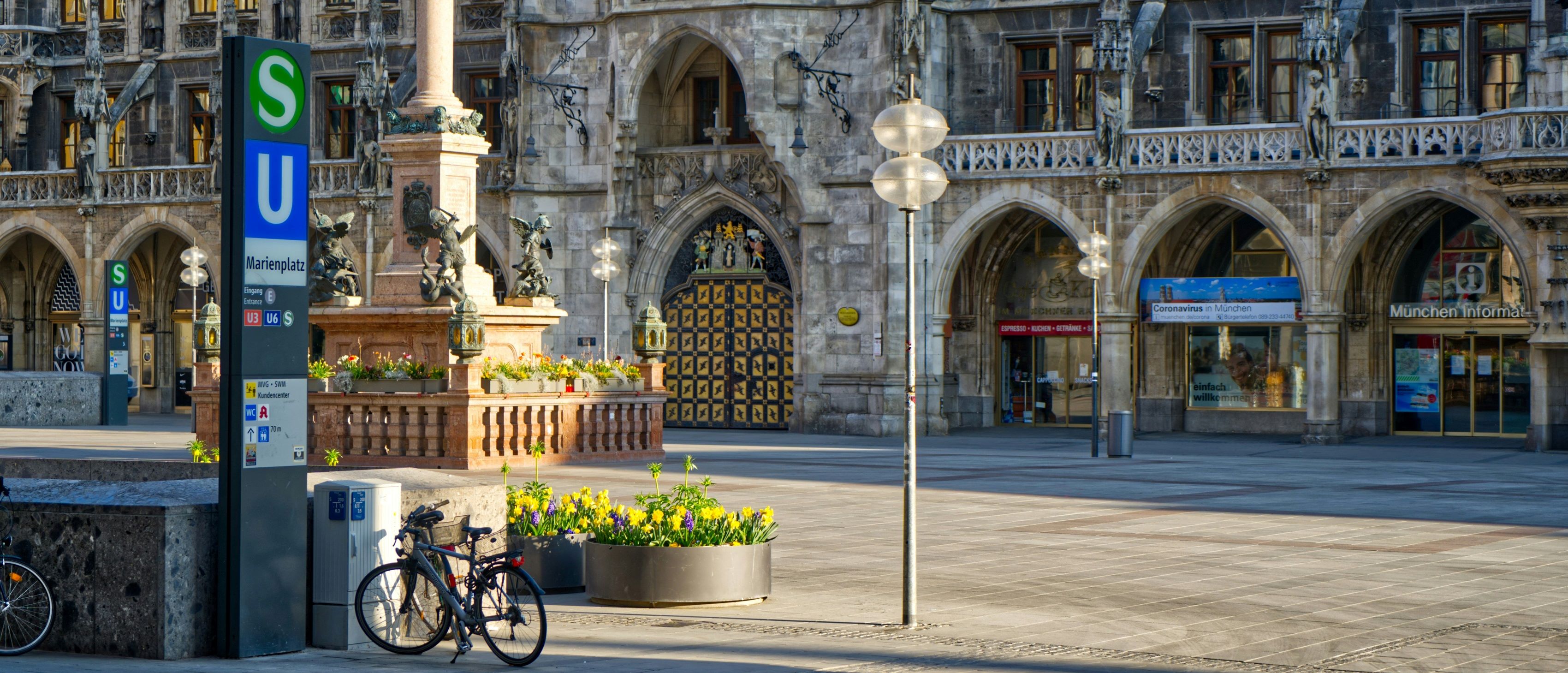
The "Everything Is Closed" Myth: Cities Are More Alive at Easter Than People Think
Many people think everything is closed in cities at Easter. Yet the atmosphere often becomes even more vibrant. What is open and what can you do during an Easter city break? Discover parks, cafés and neighbourhoods.