






 stay affordable, sleep sustainable
 World’s largest Hostel Chain - With 30,000 Beds


It’s Not Easter That Ruins Your Trip – It’s the Journey There
The perfect plan – until the journey changes everything
The travel plan sounds ideal. Your accommodation has been booked for weeks, maybe even months. You already know what the first evening should look like: arrive around 2:30 pm, check in at the hostel, freshen up quickly and then go for a short walk through the city. Perhaps finish the day with a relaxed dinner before the Easter trip really begins the next morning. Many travel plans around Easter look exactly like this.
But during public holidays, plans like these often unravel faster than expected. A train is delayed, a connection becomes tight, a service is cancelled or traffic takes longer than anticipated. What initially feels like a small delay can suddenly shift the entire schedule. Arrival moves further into the evening, dinner becomes rushed or has to be cancelled, and sometimes the first discussion begins about whether the evening is even worth salvaging.
The key point is that the problem rarely lies with Easter itself. Public holidays are not what ruin trips. Much more often, it is the journey that sets the tone for the entire weekend. That is why this article is not a rant about train delays or motorway traffic. Instead, it focuses on a practical question: how do you plan your journey so that Easter traffic does not dominate your trip? You cannot change the holiday itself – but you can change the way you plan your travel day.
The common mistake when travelling at Easter
When people plan a trip, they tend to invest a surprising amount of effort into some aspects and very little into others. Accommodation, activities and restaurants are chosen carefully. Locations are saved on maps, and sometimes even rough daily schedules are prepared. The journey itself, however, is often treated as something that will simply work out.
During public holidays, that assumption is exactly where the problem begins. Easter traffic does not just mean more travellers. It can also mean transport systems that are more sensitive to disruption. Trains may be more crowded, roads busier, and transport schedules either denser or, in some regions, reduced.
The result is subtle but noticeable: small disruptions have larger consequences than they would on a normal weekend. When one part of the journey shifts, several other elements of the plan can quickly begin to wobble as well. And this happens around Easter far more often than many travellers expect.
How transport actually ruins trips
To understand why traffic at Easter or delays can become so frustrating, it helps to look at typical situations that many travellers recognise.
The delay cascade
Most journeys consist of several small building blocks: a train, a connection, perhaps a bus or a short taxi ride. As long as everything runs on time, the system works perfectly. But once the first element becomes unstable, the entire structure begins to shift. A delay of ten or fifteen minutes might not sound dramatic. Yet suddenly a connection becomes tight or is missed entirely, and the next service leaves much later.
The real problem is not the first delay, but the chain reaction that follows. Check-in becomes rushed, reservations become uncertain, and planned activities may need to be rearranged. What was meant to be a relaxed start suddenly feels like damage control.
The holiday gaps
Another situation arises from transport schedules themselves. Many travellers underestimate how services can change around public holidays. Some routes operate less frequently, connections may be less convenient, and the gap between two services can suddenly become much longer. What would normally be a short wait turns into what travellers often call a "gap hour". These waiting periods often feel longer than the actual travel time. A short trip suddenly feels far more exhausting, even though the distance itself has not changed.
Traffic and parking stress
Travelling by car follows a slightly different pattern. Around Easter, heavier traffic is almost expected, particularly on days such as Maundy Thursday, Good Friday or Easter Monday. Even when the drive itself eventually ends, the stress often continues. City centres can be busy, parking spaces limited and navigation apps may route drivers through congested streets or temporary diversions. The result is simple: you may have arrived in the city, but you are still far from feeling relaxed.
A better question: How do I arrive well?
Many travel plans focus on the journey itself. Which connection is the fastest? Which route saves the most time? During public holidays, however, a slightly different perspective can make the entire trip feel more relaxed: how do I arrive well – not just how do I get there? A simple mental structure can help when planning the first day of a trip.
It helps to start by identifying the things that absolutely need to happen in order for the day to feel successful. In most cases, these are surprisingly simple: arrive, check in, eat something and perhaps take a short walk around the neighbourhood. Twenty or thirty minutes outside can already help you settle into the new place after travelling.
Next come the activities that would be nice but are not essential. Perhaps you wanted to visit a particular museum, see a viewpoint at sunset or try a specific restaurant. These plans are enjoyable when everything runs smoothly, but they can easily be moved to the following day if the journey takes longer than expected.
Finally, there are activities that create disproportionate stress when time becomes tight. Long journeys to the other side of the city or attractions with fixed time slots are good examples. During Easter, when Easter traffic can already make travel unpredictable, keeping these elements flexible often makes the first evening far more enjoyable.
Why accommodation plays a bigger role in your arrival than you might expect
When a journey becomes complicated, most travellers immediately think of transport problems. Yet a significant part of the stress often appears only after arrival. Transport disruptions usually create two typical scenarios: you arrive much earlier than planned, or significantly later. Accommodation that offers a degree of flexibility can make both situations far easier.
If you arrive earlier than expected, check-in may not yet be available. Many travellers know the feeling of standing at the station with luggage and nowhere obvious to go. In hostels such as a&o, it is usually possible to leave your luggage before check-in. This means you are not tied to the station and can already explore the area a little.
The second scenario is even more common: arriving later than planned. When Easter traffic becomes heavier or a connection is missed, arrival times can shift by quite a margin. Accommodation with clear and extended reception hours helps ensure that a later arrival does not become a major issue.
Another small but surprisingly important factor is food. When you arrive late, you are almost always hungry. Finding a restaurant that suits everyone late in the evening can sometimes become another stressful task. Access to a kitchen or self-catering facilities in a hostel can make a real difference here. Sometimes a simple meal is all you need to end the day calmly.
Even small orientation tips can help reduce stress after a long journey. Navigation apps may show the theoretically fastest route, but not always the easiest one. Sometimes a twelve-minute walk is more pleasant than two late-night transfers. Sometimes a specific station exit makes the route far simpler. Small pieces of local knowledge often reduce one thing above all: decision fatigue after a long day of travelling.
FAQ
How much buffer time should I realistically plan for travelling at Easter?
A practical buffer is usually between 30 and 60 minutes on top of the normal travel time, particularly if your journey includes connections. This makes it easier to absorb smaller delays.
Is it better to travel very early at Easter or deliberately later?
Both approaches can work. Early departures often avoid the heaviest traffic at Easter, while later departures may fall after the main travel wave. The key factor is building a realistic schedule rather than relying on perfect timing.
What should I do if I arrive much earlier than planned?
Many hostels allow you to leave your luggage before check-in and explore the city without carrying bags. This makes the waiting time far more enjoyable.
Can I still check in if I arrive much later than expected?
Many hostels offer long reception hours or a clear late check-in process. It is always worth checking the details before you travel.
How can I plan my return journey at Easter more smoothly?
The return trip is often planned just as tightly as the outbound journey. However, Easter Monday in particular can bring heavy travel demand. Starting earlier or leaving later in the day can reduce stress.
What is the most common mistake when planning Easter travel?
The most frequent mistake is treating the journey as a secondary detail. Many travellers carefully plan accommodation and activities while leaving transport arrangements relatively vague.
Conclusion: plan the journey as carefully as the trip itself
Easter trips rarely fail because of the destination, the accommodation or the activities planned. More often, it is the journey that makes the beginning unnecessarily complicated. If you understand when Easter traffic is likely to be heaviest and where typical bottlenecks occur, you can adjust your travel plans accordingly. A realistic schedule, a little buffer time and flexible accommodation can make the difference between stress and a relaxed start.
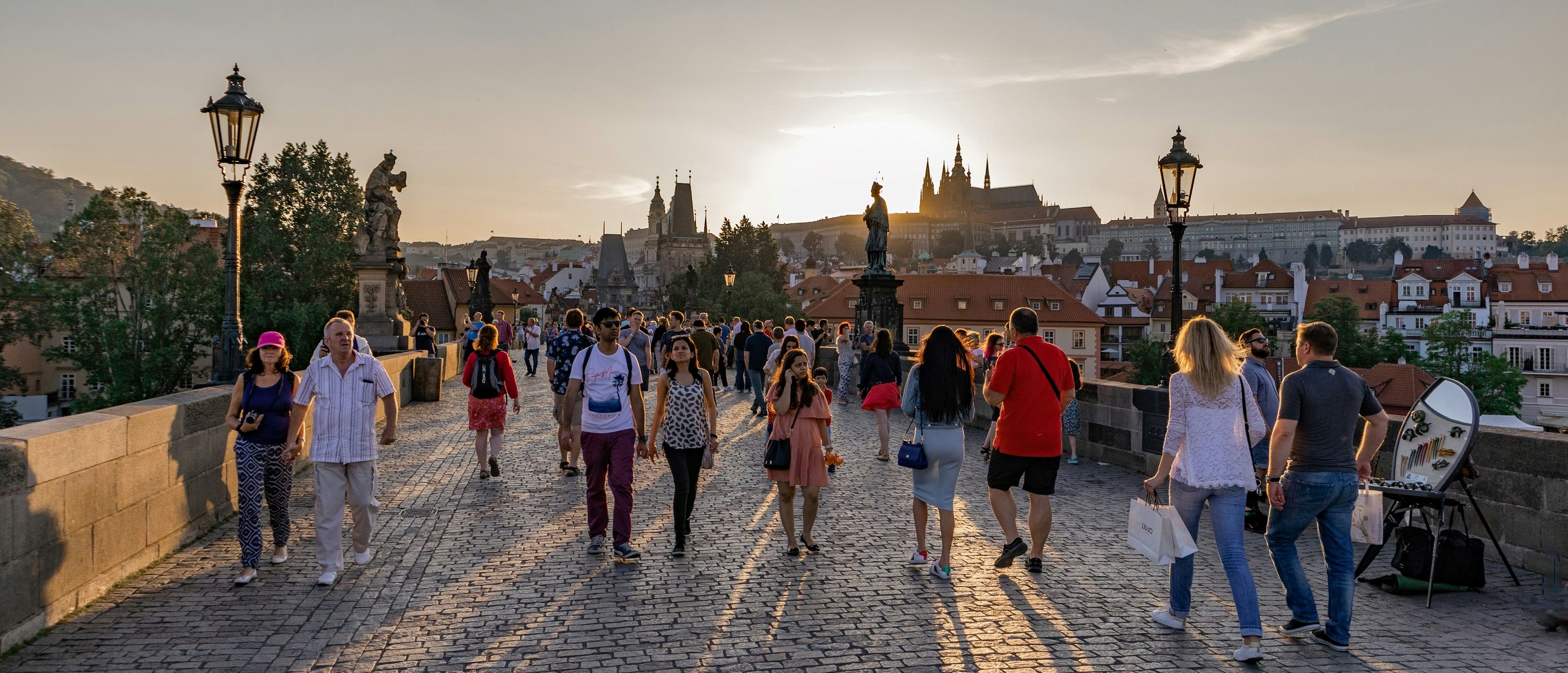
So when planning your next Easter city break – whether to Berlin, Hamburg, Prague or Vienna – it is worth paying particular attention to the first day of travel. Book your a&o hostel early, allow enough time for the journey and start your Easter weekend exactly as it should begin: relaxed and full of anticipation.
This might also interest you:


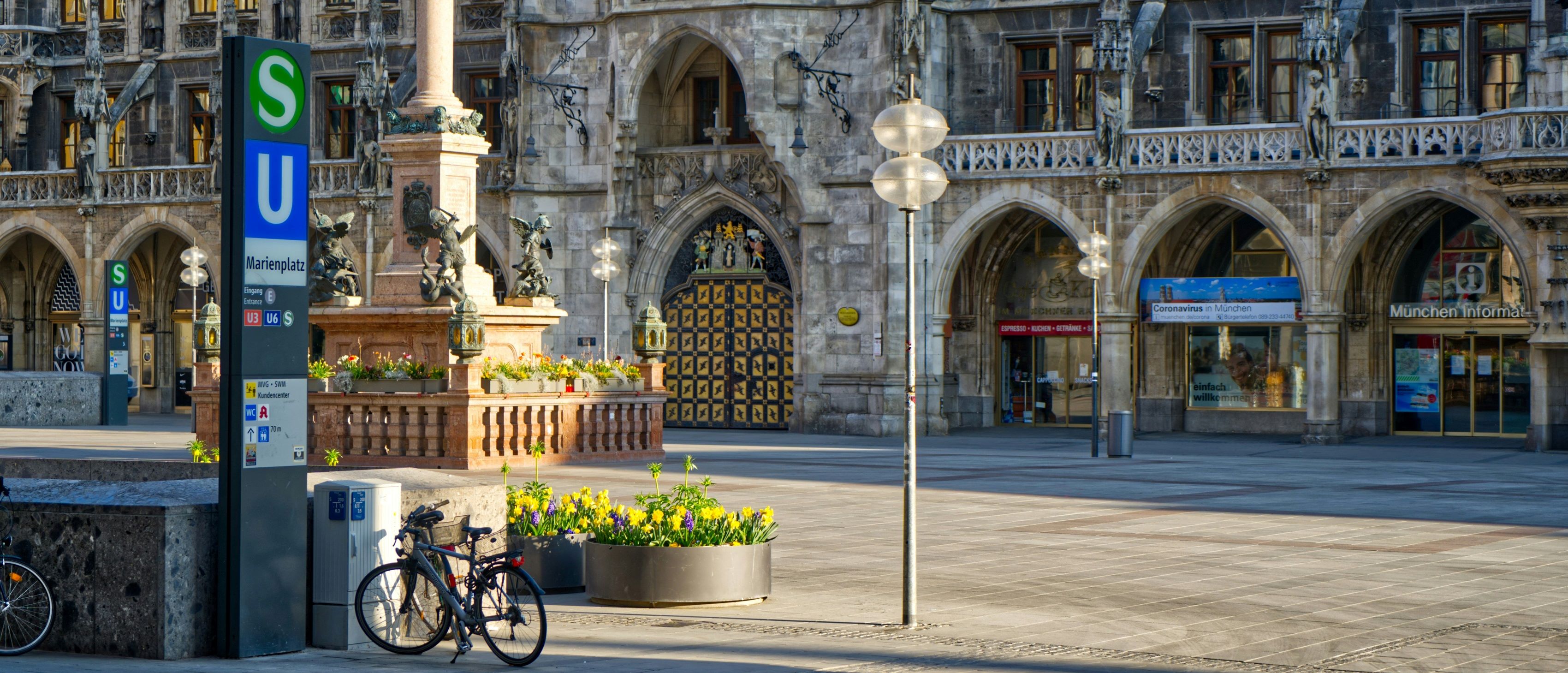
The "Everything Is Closed" Myth: Cities Are More Alive at Easter Than People Think
Many people think everything is closed in cities at Easter. Yet the atmosphere often becomes even more vibrant. What is open and what can you do during an Easter city break? Discover parks, cafés and neighbourhoods.