





 stay affordable, sleep sustainable
 World’s largest Hostel Chain - With 30,000 Beds

Why Party Cities Go Quiet at Easter – and Business Cities Turn Wild
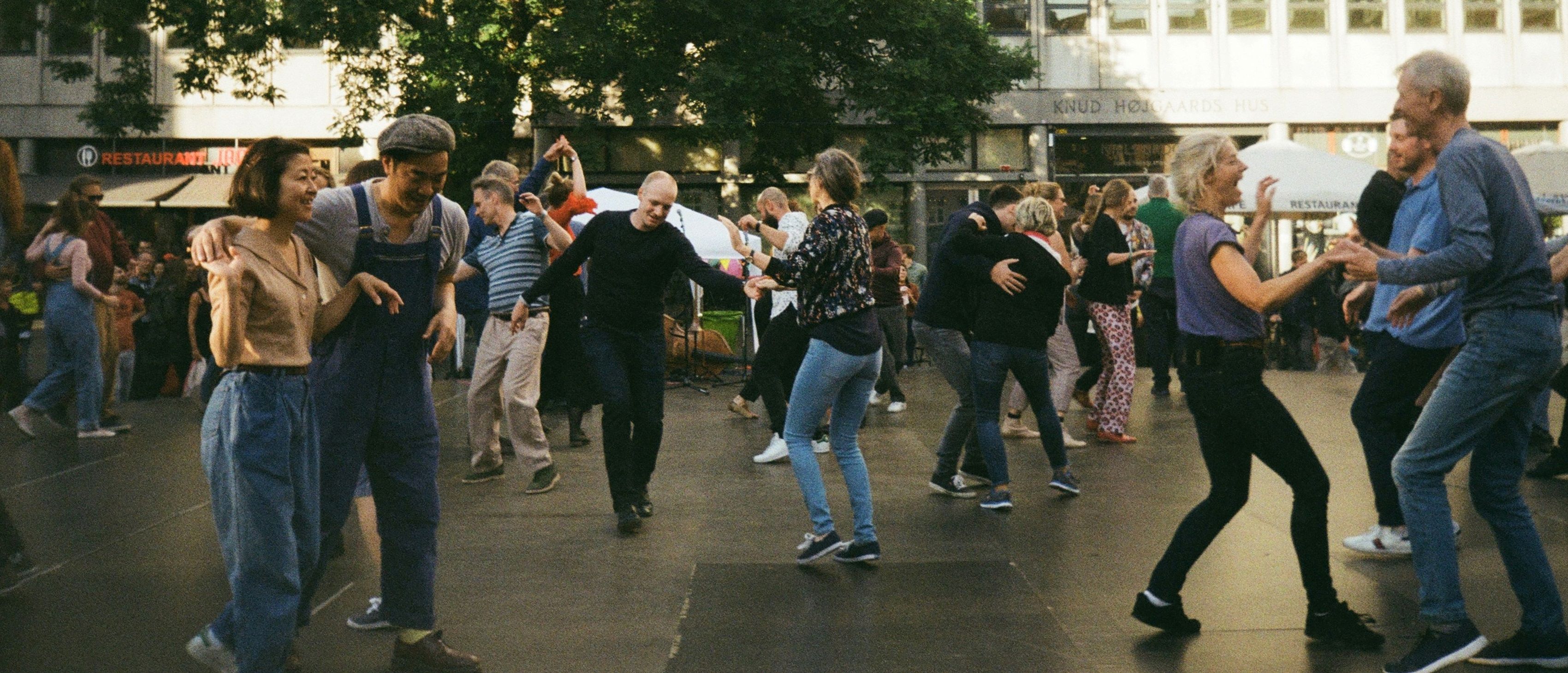
You book a party trip at Easter and suddenly find yourself finishing your last drink at 10:30 pm. Or you choose a classic business city and end up in the middle of a buzzing spring fair. Welcome to the Easter plot twist.
Anyone travelling to a party city at Easter often experiences something very different from a normal weekend. At the same time, a typical business city at Easter can feel surprisingly lively. If you want to plan smart, you need to understand one thing: public holidays follow a different logic from weekends.
Here is what really happens – and how to avoid the most common planning mistakes.
Why cities feel different at Easter
Easter is not just a long weekend. It is a cluster of public holidays shaped by legal rules, traditions and seasonal events. That combination changes the atmosphere of a city.
First, there is the holiday logic. In many countries, Good Friday and Easter Monday are public holidays. Opening hours change. Large shops may close. Event organisers adjust their programmes. In Germany, some federal states enforce so-called “silent days”, restricting or banning dance events at certain times. If you plan as if it were a normal Friday or Saturday, you risk disappointment.
Second, the crowd mix shifts. On regular weekends you often see party groups, stag and hen parties, and nightlife-focused visitors. At Easter, you are more likely to encounter families, short city breaks, people visiting relatives and daytime explorers. The energy moves earlier into the day. Markets, walks, viewpoints and seasonal events become more prominent. Nightlife does not disappear, but it feels different.
Third, events replace scenes. In many classic business cities, large spring fairs and seasonal events take place around Easter. At the same time, regular business travel slows down. The result: less corporate atmosphere, more group energy.

Prague: The party city that slows down
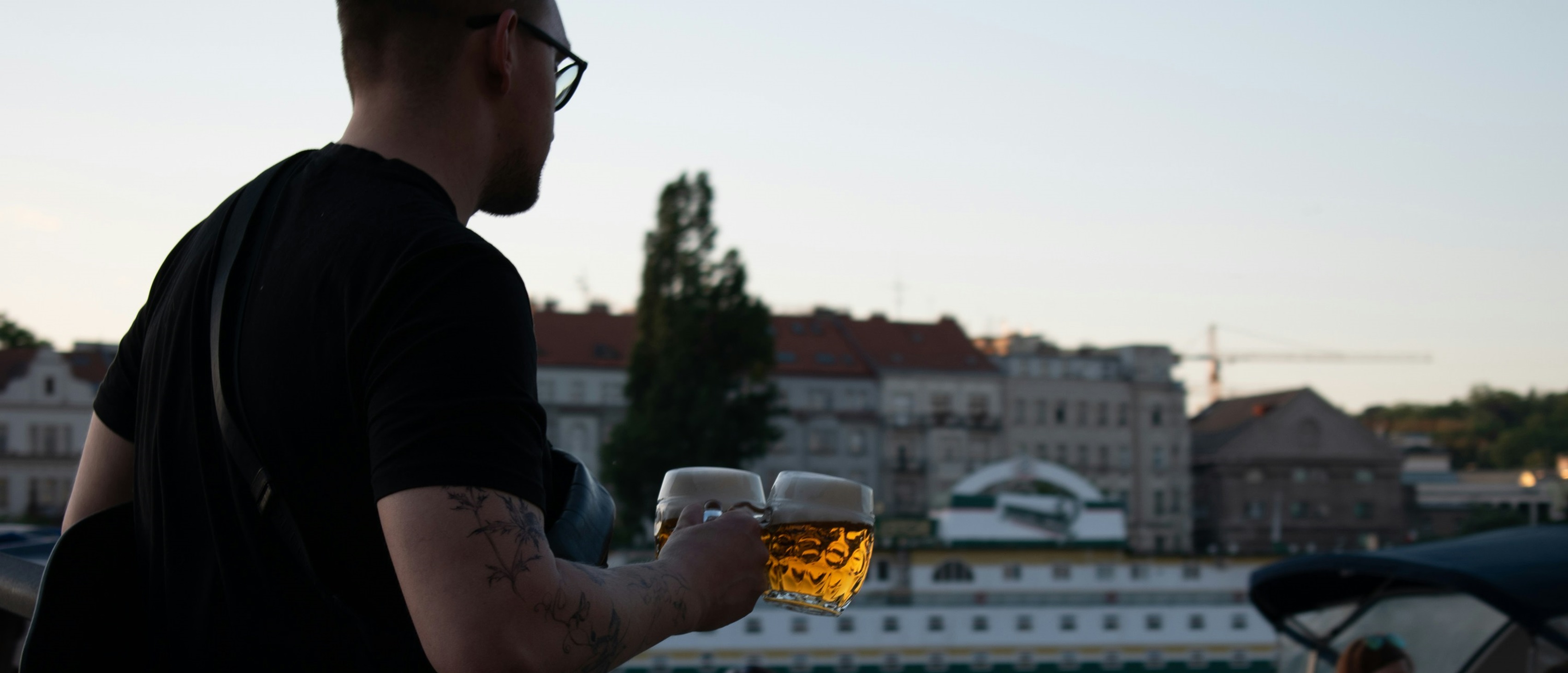
Prague has a strong reputation for nightlife. Clubs, bars, affordable drinks – the image is clear. When planning a party trip at Easter, many travellers expect full-on energy until sunrise. The reality is more nuanced.
Easter in the Czech Republic is a long weekend, with Good Friday and Easter Monday as public holidays. The city remains lively and tourist-friendly, but the vibe shifts. There is more focus on daytime activities: markets, riverside walks, cultural sights and spring atmosphere. The intensity of late-night partying can feel softer than during a regular weekend.
An important detail: in the Czech Republic there is no official dance ban on Good Friday, unlike in several German states. Clubs are not legally required to close. However, individual venues may adjust their opening hours or programme voluntarily. Also worth noting: larger shops may be closed on Easter Monday. If you are planning spontaneous late-night snack or drink shopping, prepare in advance.
If you still want to get closer to your party expectations, adapt your strategy. Starting earlier in the evening often works better than relying on a 1 am arrival. Warming up with other travellers in your hostel’s common area can help you build a group vibe before heading out. And if the city feels more spring-focused than party-heavy that night, lean into it. A sunset walk through the illuminated old town followed by a relaxed drink can be more enjoyable than forcing a night that does not quite ignite.
Prague stays lively – just not always in full-throttle mode.
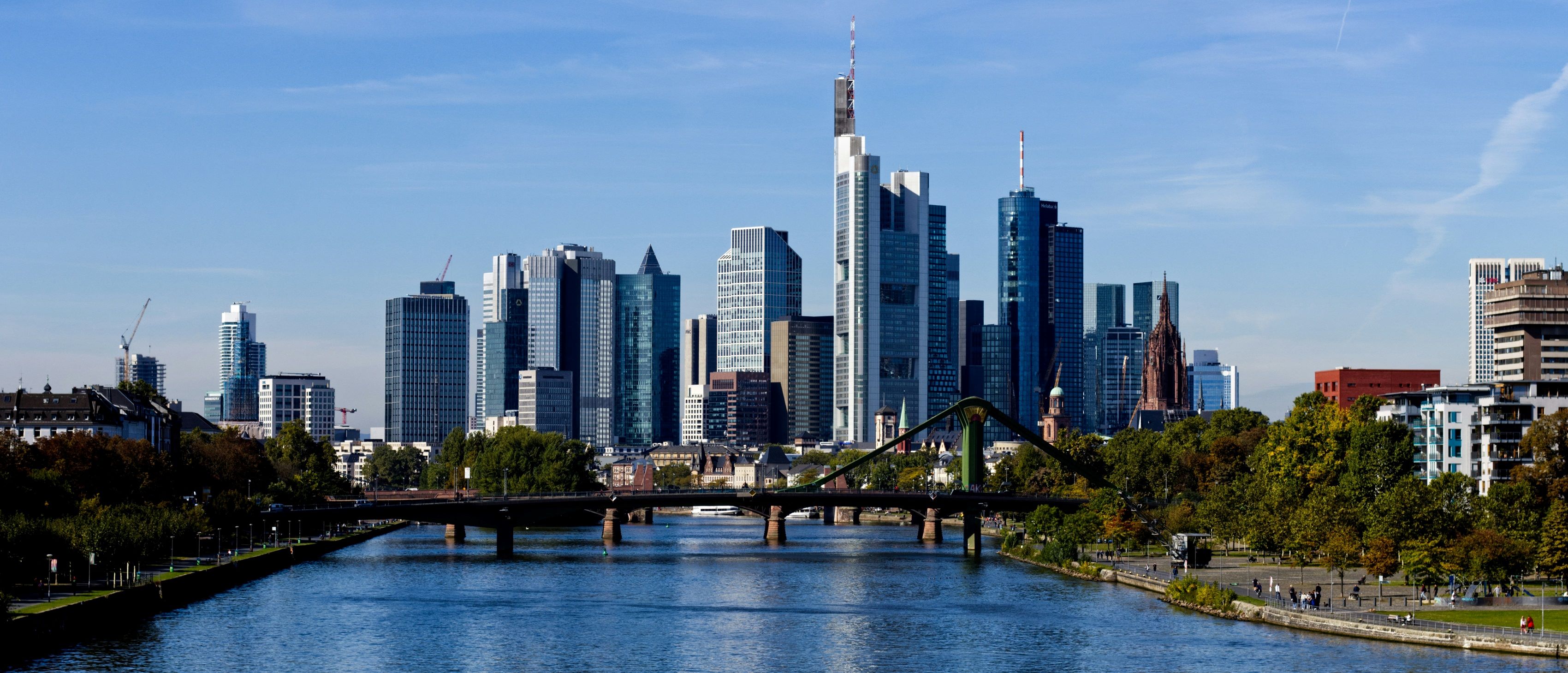
Frankfurt am Main: The business city that surprises
Frankfurt is often associated with banks, skyscrapers and business travel. It is not usually the first destination that comes to mind for a high-energy Easter trip. Yet this is where the city flip becomes visible.
Around Easter, the Frankfurter Dippemess takes place – a large spring fair with rides, lights and classic funfair atmosphere. Suddenly, the city feels different. Groups gather, music fills the air, and “just one quick visit” easily turns into a longer evening.
At the same time, the state of Hesse applies strict rules regarding dance events. On Good Friday, dance events are banned for the entire day. There are also time restrictions on other Easter days. As a result, the energy shifts away from clubs and more towards fairs, bars and outdoor socialising.
Frankfurt does not transform into a clubbing capital, but it feels significantly more vibrant than a typical business weekend. With the right expectations, it can be surprisingly dynamic.
Other cities with an Easter vibe shift
Several other cities experience similar changes around Easter.
- In Berlin, dance and music restrictions usually apply within specific time windows on Good Friday. The city remains creative and diverse, but certain periods feel noticeably quieter.
- In Cologne, Düsseldorf and Dortmund, restrictions in North Rhine-Westphalia begin as early as Thursday evening and continue through Good Friday. A classic club weekend can feel significantly limited.
- Munich is known for stricter interpretations of “silent days”, which can noticeably affect nightlife plans.
- In Hamburg, dance events are prohibited from 5 am to midnight on Good Friday. Thursday night may still be lively, but Friday itself feels distinctly calmer.
- On the other hand, cities such as Vienna create strong springtime atmospheres with Easter markets, including those at Schönbrunn Palace and on Freyung. The focus is outdoors, social and group-friendly.
- Budapest also hosts Easter markets, giving the city centre a seasonal event vibe rather than an exclusively nightlife-driven atmosphere.
What is the biggest Easter planning mistake?
Treating it like a normal weekend. Assuming that you can simply walk out at midnight and find the same energy as any other Saturday is risky. At Easter, timing matters more. Checking local regulations matters more. Having a plan B matters more.
Typically, Good Friday tends to be the most subdued day, depending on location and regulations. Saturday and Sunday often feel more active again, especially through events and daytime programmes. Easter Monday can vary widely depending on the country.
It is not the city – it is your Easter mode
A party trip at Easter can absolutely work. But it works differently. And a business city at Easter can feel unexpectedly lively – just in another way. The key is expectation management. Understand the rules. Understand the crowd shift. Understand the seasonal events. Once you do, the city flip becomes predictable – and even enjoyable. Plan early, stay flexible and choose the city that matches your Easter mood rather than your Instagram assumptions.