





 stay affordable, sleep sustainable
 World’s largest Hostel Chain - With 30,000 Beds

The "Everything Is Closed" Myth: Cities Are More Alive at Easter Than People Think
Anyone considering a city break at Easter often hears the same comment. "But everything will be closed." What people usually mean are shops, shopping centres and the big high-street stores. The assumption is simple: if the shops are closed, the city itself must automatically be quieter and less interesting.
Yet travellers who have actually spent Easter in a city often experience something quite different. Yes, some shops do close for public holidays. But at the same time the atmosphere in many cities changes in a way that is difficult to notice during a normal weekend. The pace slows down, people spend more time outdoors, cafés and bars become meeting places, and neighbourhoods that normally serve as quick thoroughfares suddenly develop their own rhythm.
The real question is therefore not whether some places are closed at Easter. The more interesting observation is how cities change during public holidays. Travellers who are willing to see a city as more than just a shopping destination often discover a side of urban life that usually remains hidden during busy weekends.
Why many people believe cities "shut down" at Easter
The idea that cities become quiet or even "empy" during Easter has several causes. One of them lies in the way many people plan a city break. Travel plans often revolve around familiar activities: shopping, major landmarks, museums and perhaps a restaurant visit.
If one part of that programme becomes less available – for example because shops remain closed on public holidays – it can easily create the impression that the city itself has less to offer. In reality, this expectation is strongly shaped by everyday routines, where cities are often experienced primarily through consumption and shopping.
Once this commercial rhythm pauses briefly, other elements of urban life suddenly become more visible. Public spaces gain importance, people spend more time outside, and meeting places shift towards parks, cafés, neighbourhood bars and local squares. The result is something like an urban slow mode. Cities feel less hectic but often more vibrant, because people deliberately take the time to enjoy the long weekend.
What actually happens in cities at Easter
Public holidays do not only change opening hours. They also influence how people use the city. During a normal week, daily life is dominated by work, errands and scheduled activities. Over a long holiday weekend, the focus shifts more strongly towards leisure. Many locals have time off, meet friends or spend the day outdoors. As a result, new social hotspots appear in places that visitors might normally overlook.
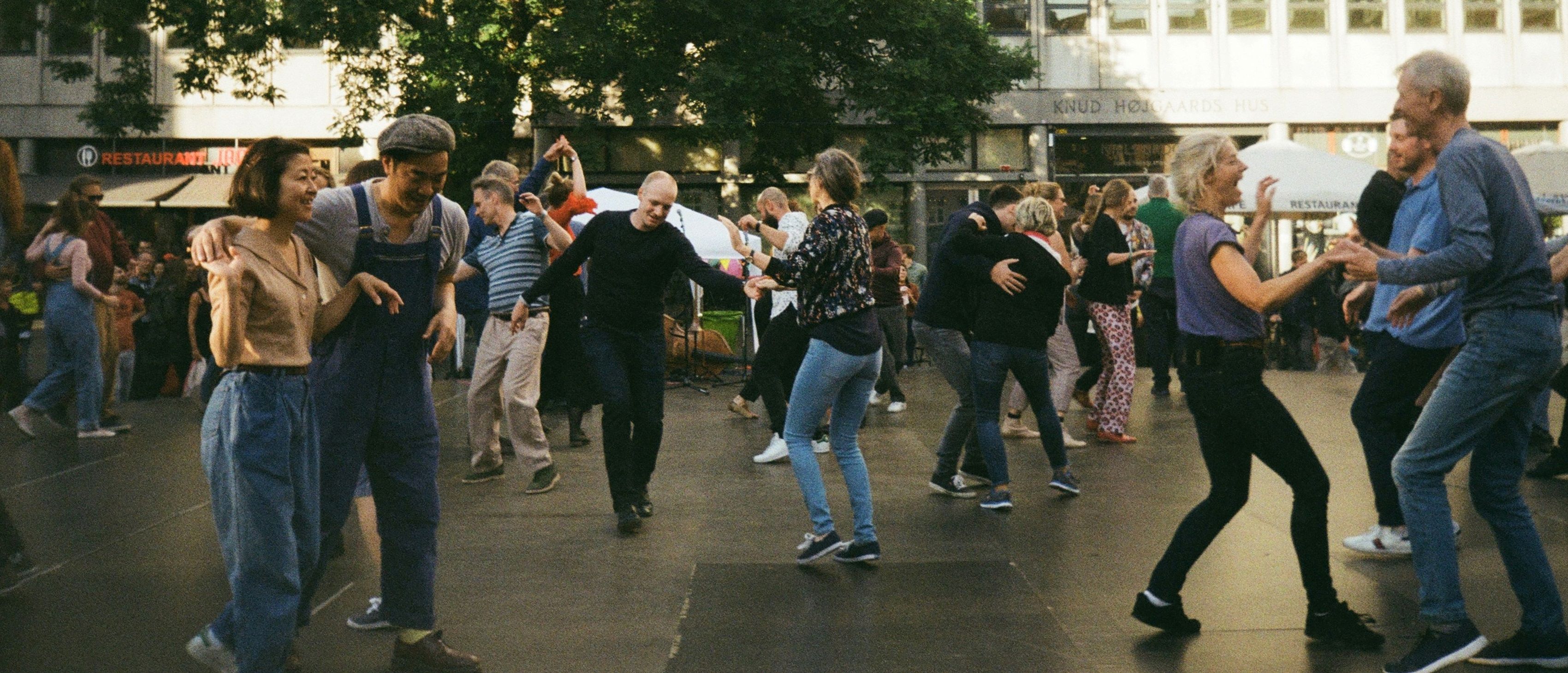
Parks become open-air living rooms for the city. Café terraces fill up more quickly, conversations last longer, and bars often start getting busy earlier in the evening. Instead of rushing between different activities, people slow down and enjoy the atmosphere of the place they are in. For travellers, this shift can be particularly appealing. On a typical weekend it is easy to spend hours walking through crowded shopping streets. At Easter, many cities feel more relaxed and, at the same time, more authentic. The experience becomes less about ticking off attractions and more about enjoying spontaneous moments.
What can you actually do in a city at Easter?
Travellers who spend Easter in a city often discover that many activities work even better than during a typical weekend. The focus simply moves away from shopping and towards experiences shaped by atmosphere, movement and social interaction.
Walking through neighbourhoods
One of the simplest and most rewarding ways to explore a city at Easter is to take a long walk through different neighbourhoods. Without the usual shopping crowds, streets often feel calmer, café terraces extend onto pavements, and small details suddenly become more visible.
In Berlin, a city famous for its neighbourhood culture and independent bar scene, districts such as Kreuzberg or Neukölln often develop lively street atmospheres during long weekends. People buy drinks from small kiosks and gather outside to chat, creating spontaneous social spaces.
In Hamburg, a port city known for its canals and lakes, a walk around the Alster or through neighbourhoods such as Sternschanze can easily turn into an afternoon of café stops and relaxed exploration.
Parks, waterfronts and public spaces
As soon as the weather cooperates, urban life moves outdoors. Parks and waterfront areas become gathering places for locals and visitors alike. People bring blankets, meet friends, play games or simply enjoy the sunshine.
In Vienna, known for its elegant architecture and spacious parks, areas such as the Prater or the Stadtpark fill with walkers and picnic groups. In Copenhagen, famous for its cycling culture and relaxed lifestyle, many residents head to canals, green courtyards or waterfront promenades.
Cafés, bars and small restaurants
While large restaurant chains may occasionally reduce their opening hours, many smaller cafés and bars remain open and become social hubs during the long weekend. Because people have more free time, they often stay longer and enjoy a slower pace.
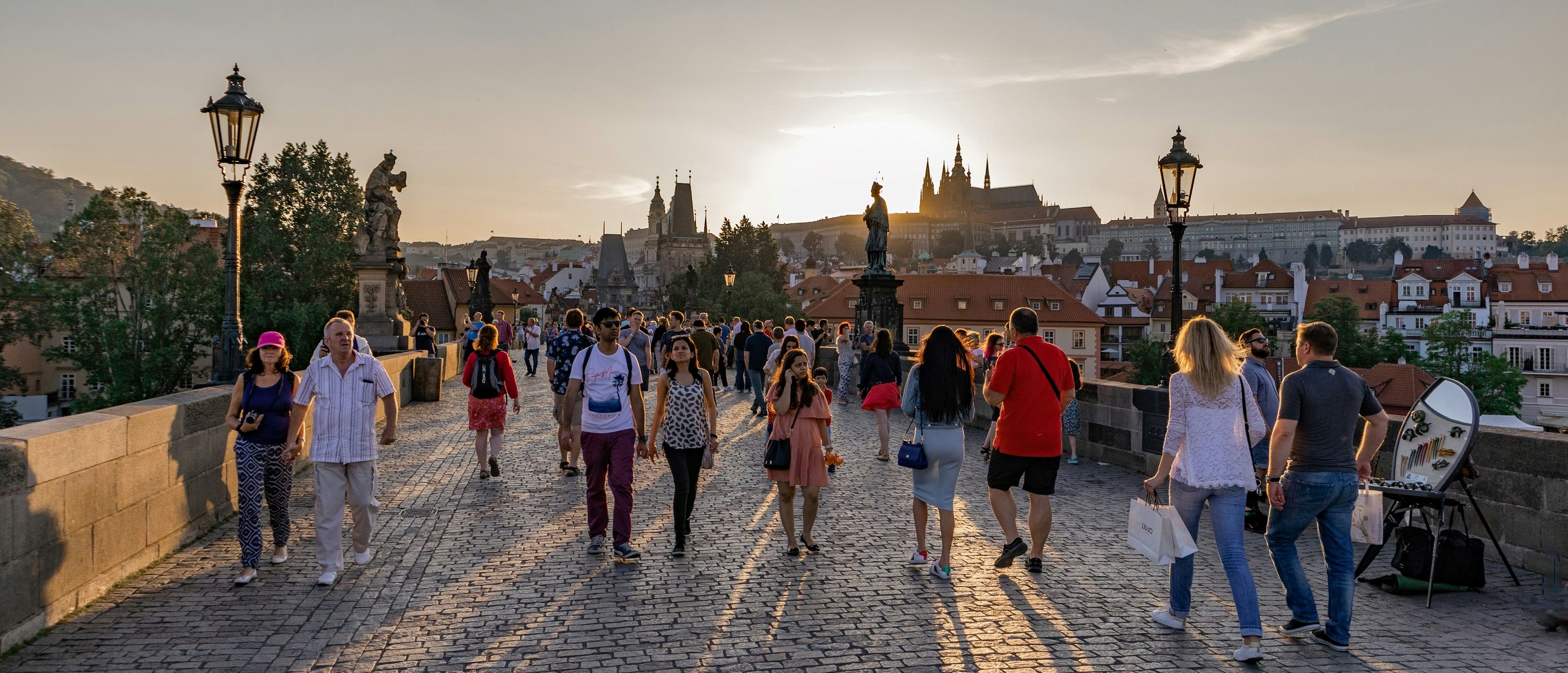
In Budapest, well known for its ruin bars and vibrant café culture, visitors often spend entire afternoons moving between courtyard bars and relaxed restaurants. In Prague, whose historic old town and narrow streets create a unique atmosphere, a simple walk through the city almost automatically leads to a coffee stop or a quiet restaurant.
Scenic viewpoints and relaxed sightseeing
Another advantage of travelling at Easter is that certain locations feel less rushed than they might on peak tourist weekends. Viewpoints, promenades and historic squares offer more space to pause and take in the surroundings.
In Edinburgh, a city famous for its dramatic hills and historic streets, walks to viewpoints such as Calton Hill or Arthur’s Seat are especially rewarding. In Florence, celebrated for its Renaissance architecture and views across the River Arno, many visitors gather at Piazzale Michelangelo to watch the sunset over the city.
Cities that work particularly well for an Easter city break
Urban atmosphere can never be completely planned. However, some cities naturally lend themselves to long walks, relaxed cafés and lively neighbourhoods – making them ideal for a spring city break.
- Berlin stands out for its diverse neighbourhoods, creative culture and countless parks that quickly fill with life on long weekends.
- Hamburg combines harbour views, lakes and lively districts, creating a relaxed yet dynamic city atmosphere.
- Budapest offers thermal baths, grand architecture along the Danube and a famously energetic bar scene.
- Prague enchants visitors with medieval streets, historic squares and a dense network of cosy cafés.
- Copenhagen is known for its laid-back lifestyle, cycling culture and stylish cafés along canals and waterfronts.
- Vienna blends imperial architecture, famous coffeehouse traditions and large green parks.
- Antwerp is a compact city with a creative design scene and lively squares perfect for outdoor cafés.
- Brussels mixes international culture, historic squares and a strong food culture centred around waffles, fries and Belgian beer.
All of these cities share one important advantage: they are easy to explore on foot and reward travellers who enjoy wandering, discovering cafés and simply observing city life.
Why hostels often feel especially social during Easter
Accommodation also plays an important role in shaping the travel experience during a long weekend. Hostels in particular tend to develop a lively and social atmosphere at Easter. Many guests are travelling specifically to make the most of the holiday break. Without tight work schedules, people are often more open to meeting others, exchanging travel tips or planning activities together.
Common areas and hostel bars naturally become places where conversations begin. Travellers share recommendations for local cafés or neighbourhoods, join each other for walks through the city or simply spend the evening talking. For solo travellers, this can be especially valuable. Meeting other guests often turns a short city break into a shared experience and makes it easier to discover places that might otherwise remain hidden.
Conclusion: Easter doesn’t slow cities down – it reveals a different side of them
The belief that cities become dull or empty at Easter is surprisingly persistent. In reality, the opposite often happens. When the usual shopping rhythm pauses for a few days, other aspects of urban life become more visible. Parks turn into meeting places, cafés become neighbourhood living rooms, and streets fill with people simply enjoying their time together.
So if you are wondering what to do at Easter, the answer may be simpler than expected: plan a city break, wander through neighbourhoods, discover new cafés and experience the city without rushing from one attraction to the next. With centrally located accommodation in many European destinations, a&o Hostels provide an ideal base for exploring exactly this side of urban life.
This might also interest you:

It’s Not Easter That Ruins Your Trip – It’s the Journey There
Easter traffic often means delays, reduced schedules and long queues on the road. When is Easter the busiest for travel – and how can you avoid traffic at Easter? Discover how to plan your Easter journey smartly so your trip starts stress-free.